

Fire extinguisher technician mistakes can easily lead to non-compliance and safety risks if proper standards aren’t followed. We recently sat down with our fire guru, Steve, to discuss the most common mistakes he sees when teaching our BS 5306 Servicing & Maintenance of Portable Fire Extinguishers course… and how to avoid them.
Fire Extinguisher Technician Mistakes
Mistake #1: Referencing Outdated Standards
“You’d be surprised at how often technicians still quote older editions,” says Steve.
Many still refer to BS 5306-8:2012, which has now been replaced by BS 5306-8:2023. You might be thinking the work’s the same… what’s the difference? But standards evolve to reflect lessons learned, technological changes, and updated safety thinking.
Take BS 5839-1:2025, for example. This new edition has introduced significant updates to modernise fire detection and fire alarm system design, installation, commissioning, and maintenance practices.
What Can You Do?
Easy! Get the latest copy of the standards from BSI or update your training with us when it changes.
Mistake #2: Not Commissioning Extinguishers Correctly
Under BS 5306-3:2017 Annex A, extinguishers must be commissioned before use.
“Travel tags left on and gauges not tested. I see it all the time,” says Steve. “If there’s no visible gauge dot and the travel tag is still in place, it means the extinguisher has more than likely been commissioned incorrectly.”
What Can You Do?
Follow the guidance given in BS 5306-3:2017 Annex A. Or get yourself on one of our BAFE-invigilated courses to learn practically.
Mistake #3: Not Filling in the Logbook
Every service visit should leave a clear trail. BS 5306-3:2017 clause 11.4 requires that records are kept on site for future reference.
“Without logbook entries, there’s no accountability,” Steve told us. “It protects both the client and the technician.”
What Can You Do?
Ask the client for the logbook. Fill the logbook out for the client before leaving, and inform them of any visit results.
Mistake #4: Incorrect Disposal of Condemned Extinguishers
Improper disposal is a frequent mistake. BS 5306-3:2017 clause 10.2 outlines that condemned units must be clearly marked and removed from service.
“Leaving them in place or unmarked can be dangerous,” Steve warns. “Someone could try to use it in an emergency.”
What Can You Do?
Always mark condemned extinguishers and dispose of them safely following environmental guidelines. You can refer to the UK Government’s hazardous waste disposal guidance for more information.
TOP TIP! Most manufacturers will take back old fire extinguishers.
Mistake #5: Incorrect Extinguisher Rating or Quantity
Not providing enough or the correct type of extinguishers for the site you’re working on is a huge mistake! Meeting the right extinguisher rating and placement is essential for proper coverage.
- BS 5306-8:2023 clause 7.2.1 requires a minimum 13A rating for Class A risks.
- Clause 8.4 sets limits for maximum travel distance.
“If you’re not meeting those distances or ratings, the site isn’t properly protected,” says Steve. “It’s that simple.”
What Can You Do?
You should be doing a thorough assessment of the site every time you visit to see how many extinguishers and what type the site needs. Proper planning and site assessment are key to ensuring compliance and safety.
Stay Current. Stay Compliant. Avoid Mistakes.
These common fire extinguisher technician mistakes are all preventable with the right training and awareness. At Elevation Fire Training, we provide up-to-date courses that help technicians maintain compliance and confidence.
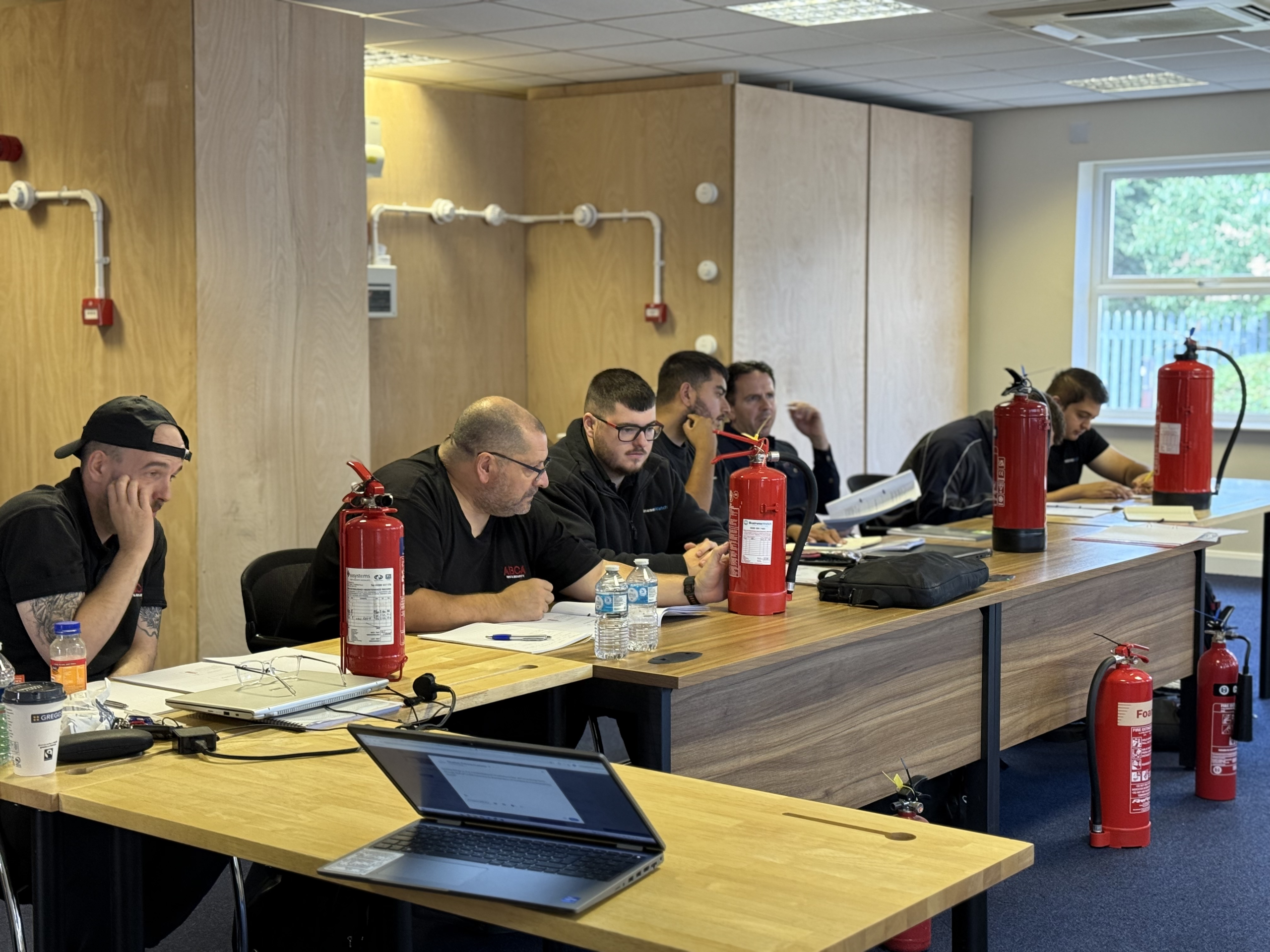
Explore our courses:
- BS 5306 Fire Extinguisher Servicing & Maintenance Training
- BS 5306 Fire Extinguisher Refresher Course